Entry 1
The Only Soundproofed Room
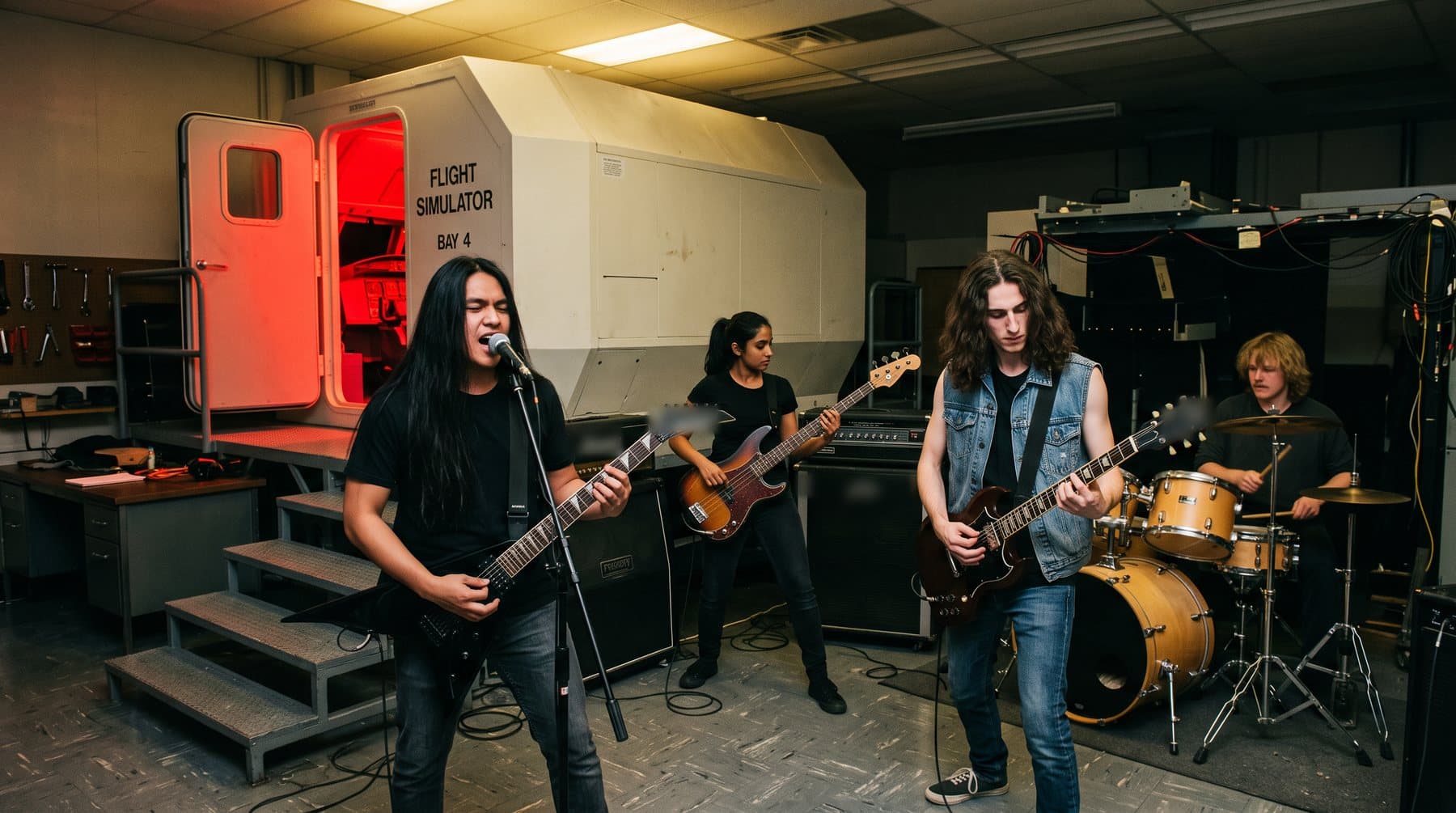
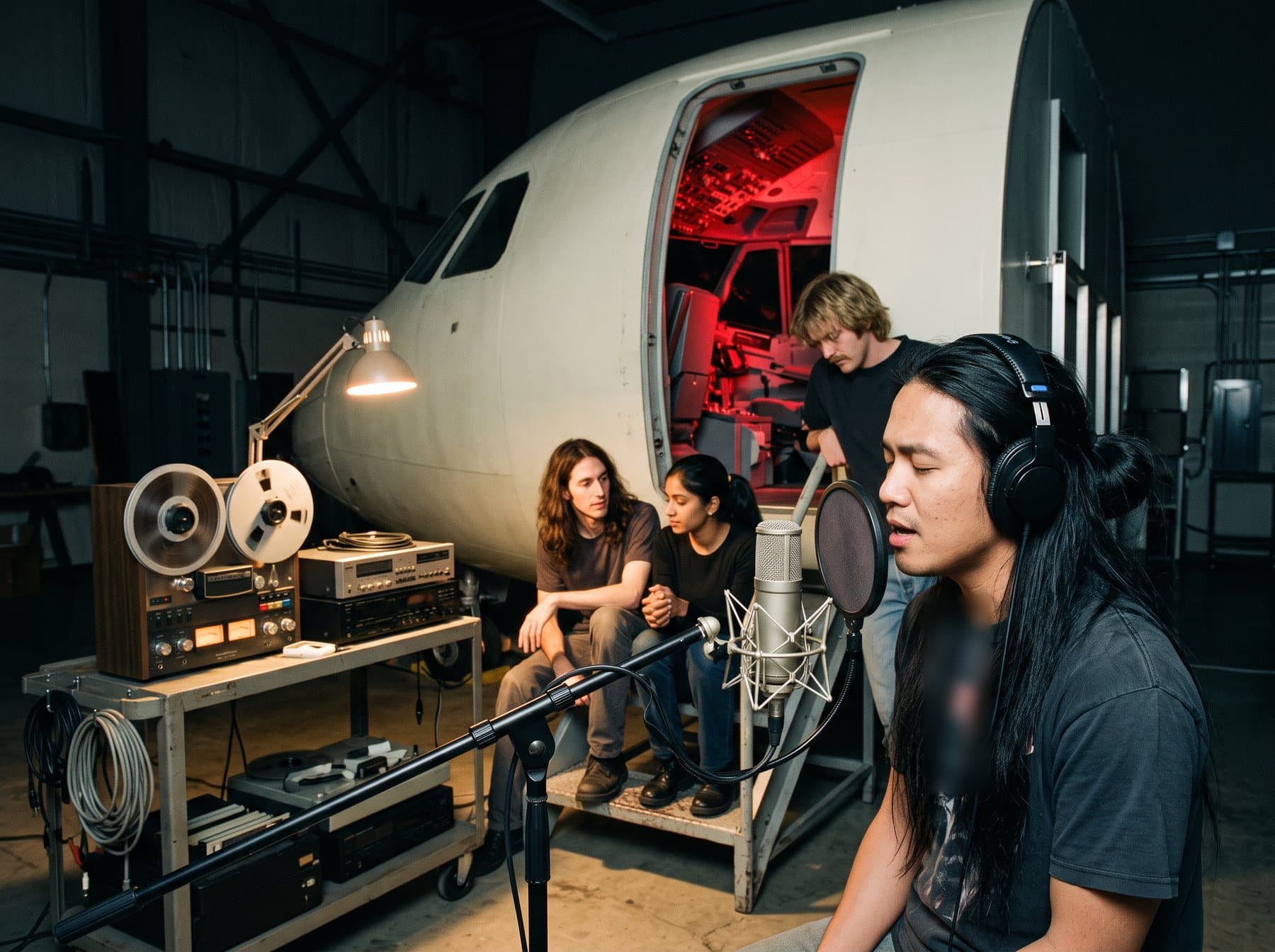
There is a particular kind of quiet in a simulator bay after twenty-two hundred. The motion base is cold. The instructor station is dark. The visual system hums at a frequency you stop hearing after your first semester and never stop hearing after you graduate.
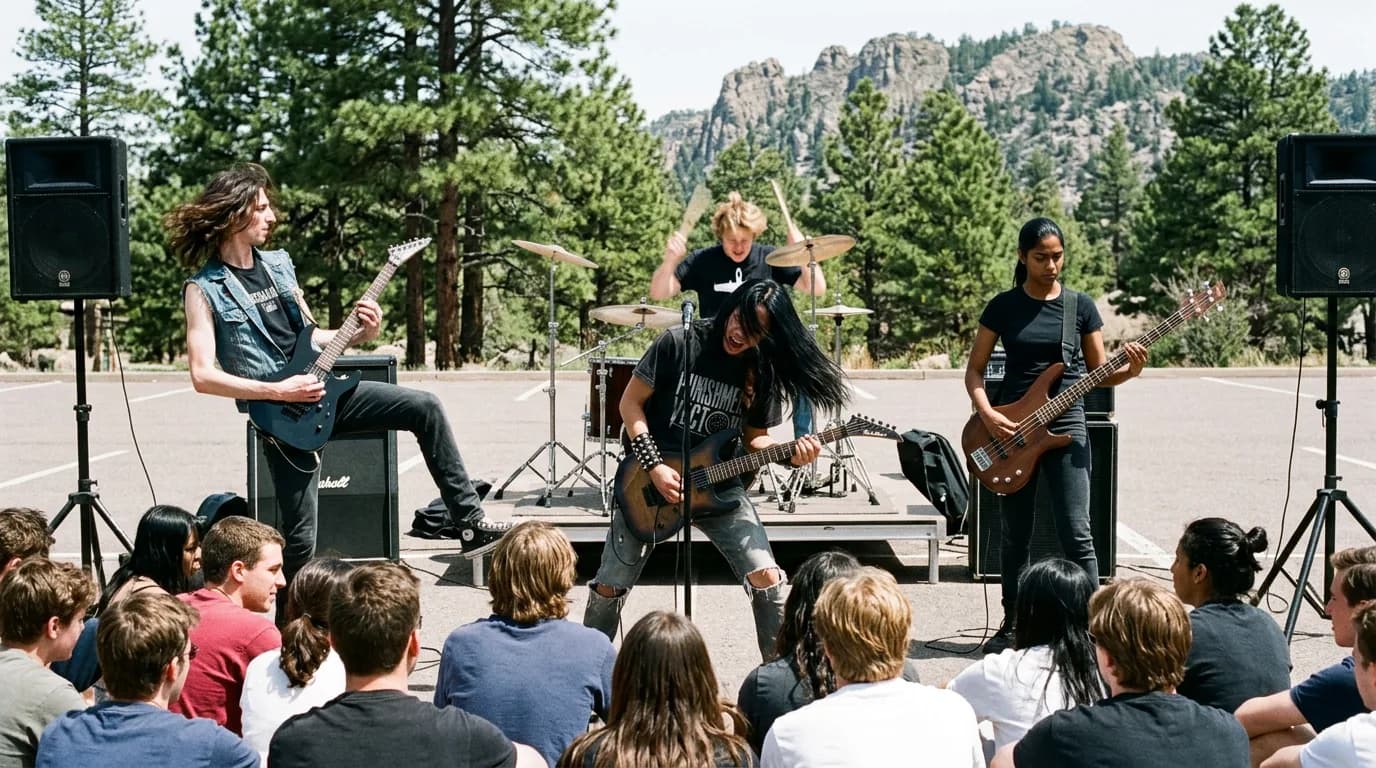
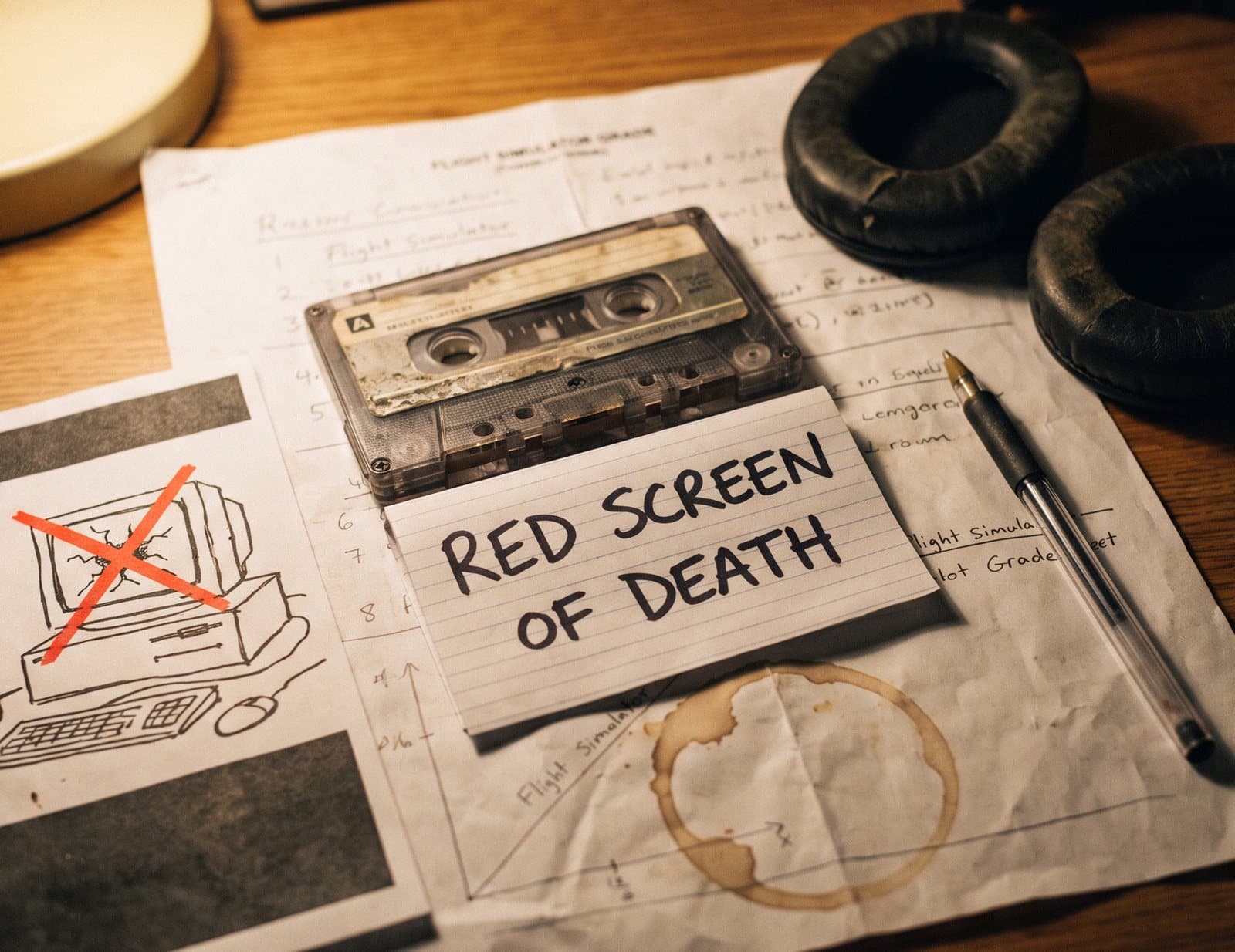
Red Screen of Death formed in that room in the fall of 1992, for the least romantic reason any band has ever formed: it was soundproofed, and nobody wanted it.
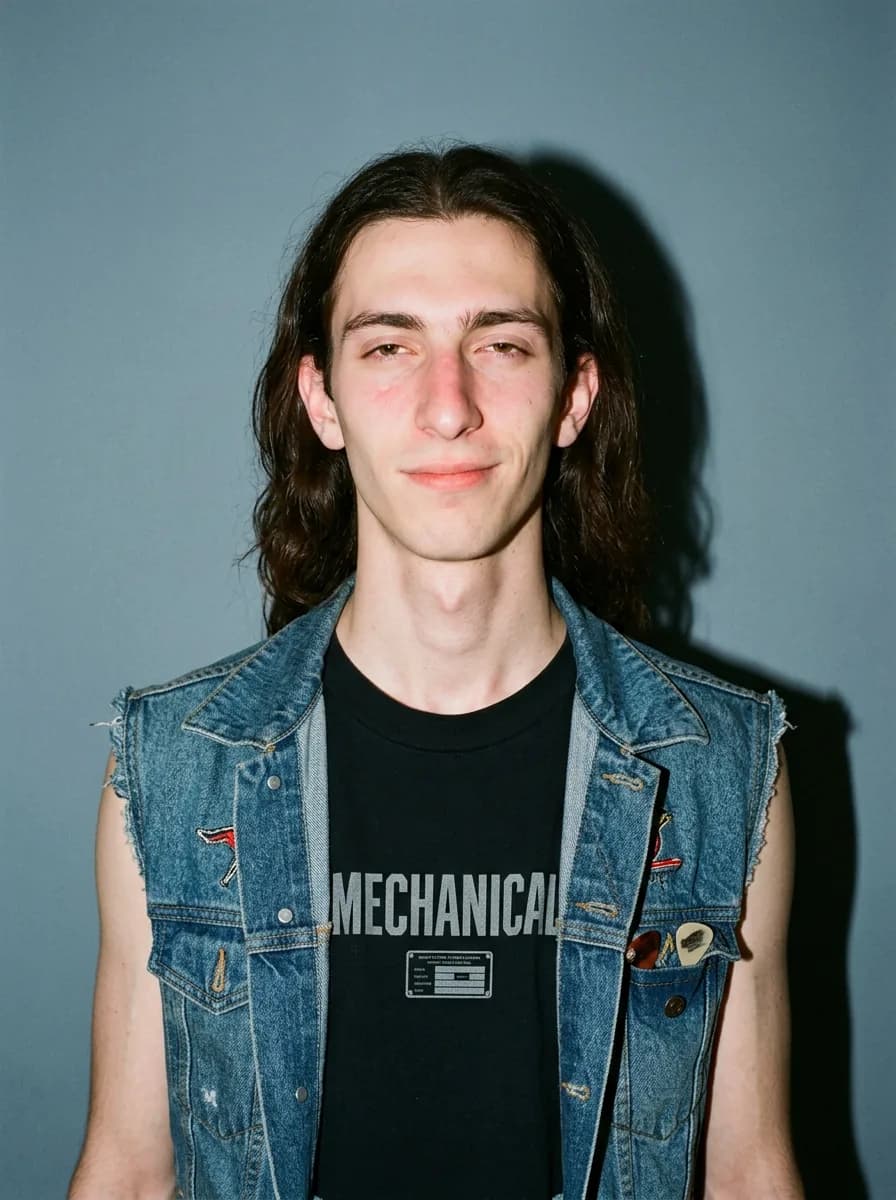
Danny Ocampo had a key because he cleaned the bay for work-study. What began as four people using the room to rehearse became, fairly quickly, four people writing songs about the room. Every member had crashed in it. Every member had been debriefed in it. The material was sitting there.
"We did not decide to write about failure," Ocampo said in 1998. "We wrote about what happened to us that week. It turned out what happened to us every week was failure. That is what training is. Nobody tells you that going in, and then you are three hundred hours deep and you realise the entire curriculum is a list of ways to be wrong, arranged in order."
Entry 2
The Debrief as a Song Structure
The thing that separates Red Screen of Death from every other band that has ever put an airplane on a shirt is that they are not writing about flying. They are writing about being corrected.
By the second record the structure had hardened into a formula they never broke. A verse establishing the scenario in flat procedural language — conditions, configuration, phase of flight. A chorus naming the failure. And then, in the bridge of nearly every song, a second voice, calm and unhurried, explaining what should have happened instead.
That second voice is the whole band. It is the instructor voice. Every person who has been through a flight training programme carries one permanently, and it does not leave when the training does. Ocampo has said the bridge sections were the only parts he ever found difficult to write, because he had to make the instructor right without making him cruel, and in his experience the instructor is always right and frequently cruel.
They never wrote a song about a flight that went well. This was raised with them repeatedly. Tarkanian's answer, in 1996: "Nothing happens on those."
Entry 3
Three Interviews and a Decision
They stopped in 1999, and the reason is the least romantic one available: the industry finally had a use for them.
The degree was sold as four years. None of the four did it in four. You stopped out a semester, you flew when you could pay for it, you came back. The last of them graduated in 1997, by which point the band was five years old and had two records out.
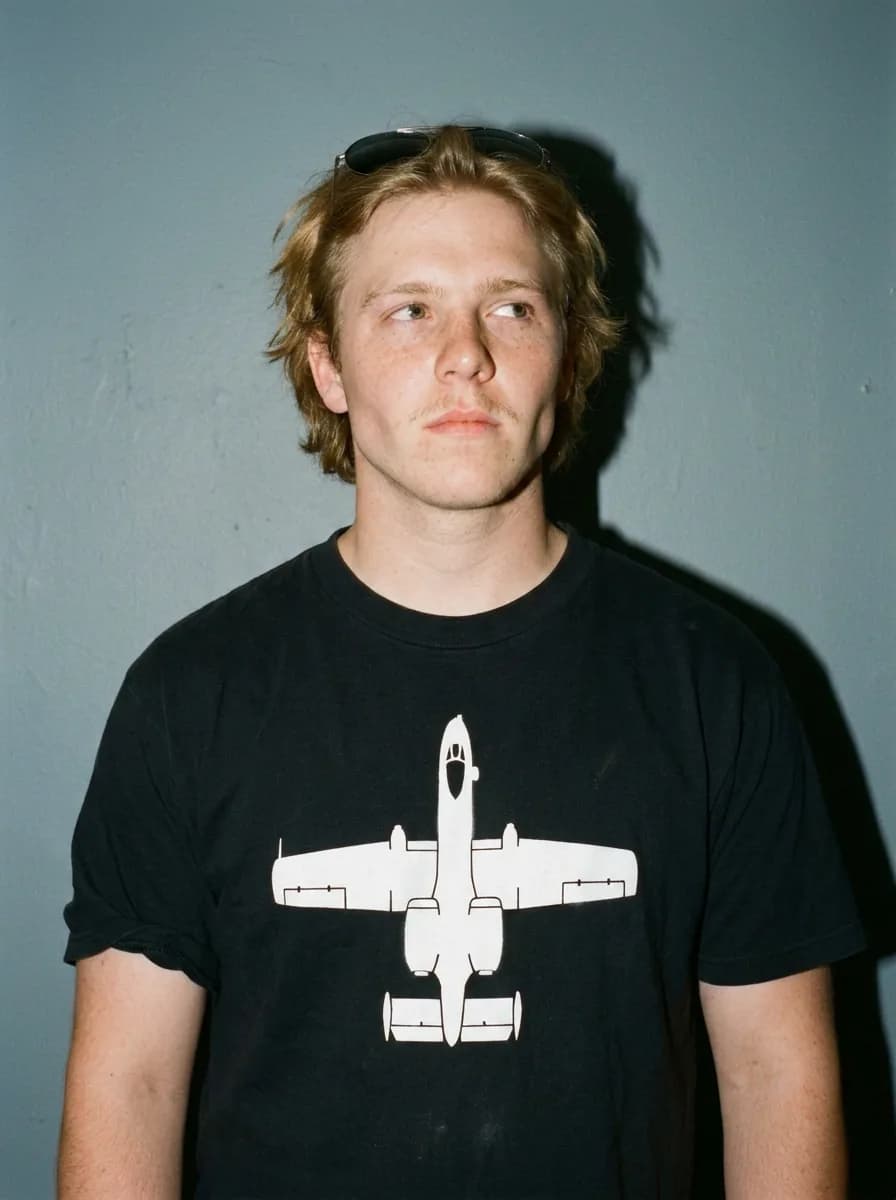
Graduating changed nothing. There was nowhere to go. Through the middle of the decade a freshly rated pilot with three hundred hours had exactly one path, and it was instructing at the field you learned at until you had enough time that somebody else would look at you. So that is what they did. Ocampo instructed. Raghunathan instructed and then flew night freight. Lindqvist ran a pipeline patrol out of Phoenix and hauled cancelled checks. Tarkanian, who had washed out of the flight programme in his third year and gone and bought his ratings at a Part 61 field on weekends for a fraction of what the university charged, was building time the same as everyone else and enjoying pointing out that he was doing it two years earlier and considerably cheaper.
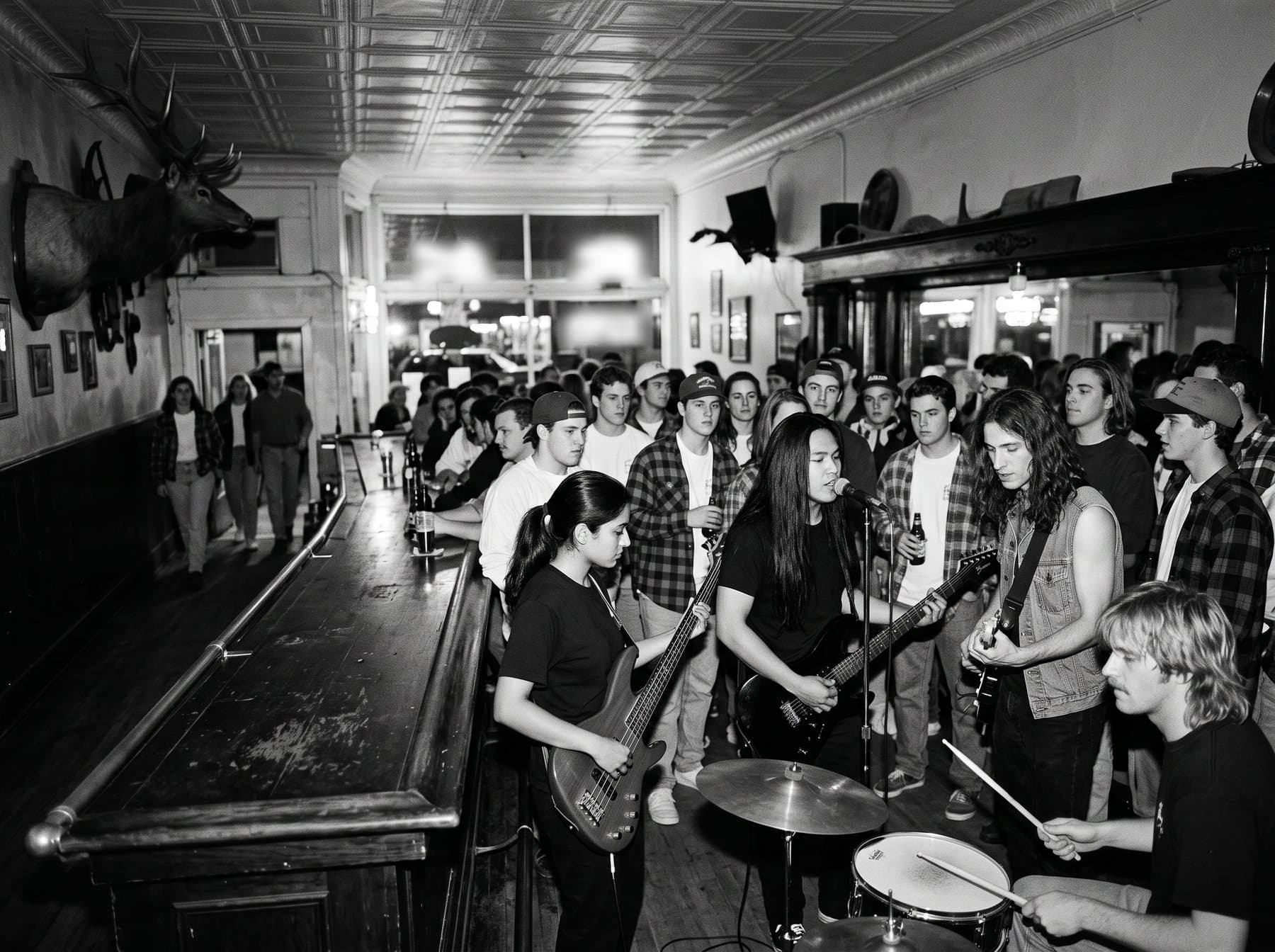
Those were the band's best years. They were local, they were broke, they were flying eight hundred hours a year in aircraft nobody wanted, and every one of them had a debrief to write about. Below Minimums came out of that. So did the material for the third record.
Then the hiring started. Raghunathan had a regional interview in the spring of 1999. Tarkanian had one that May. Lindqvist had already accepted the freight job in Phoenix and did not tell the other three until the last session. And Ocampo — who started the band, who had the key, who wrote the sentence on the back of the approach plate — had decided some time in 1998 that he was not going to apply anywhere.
Every Crash Is Educational is about that and nothing else. The band has never pretended otherwise.
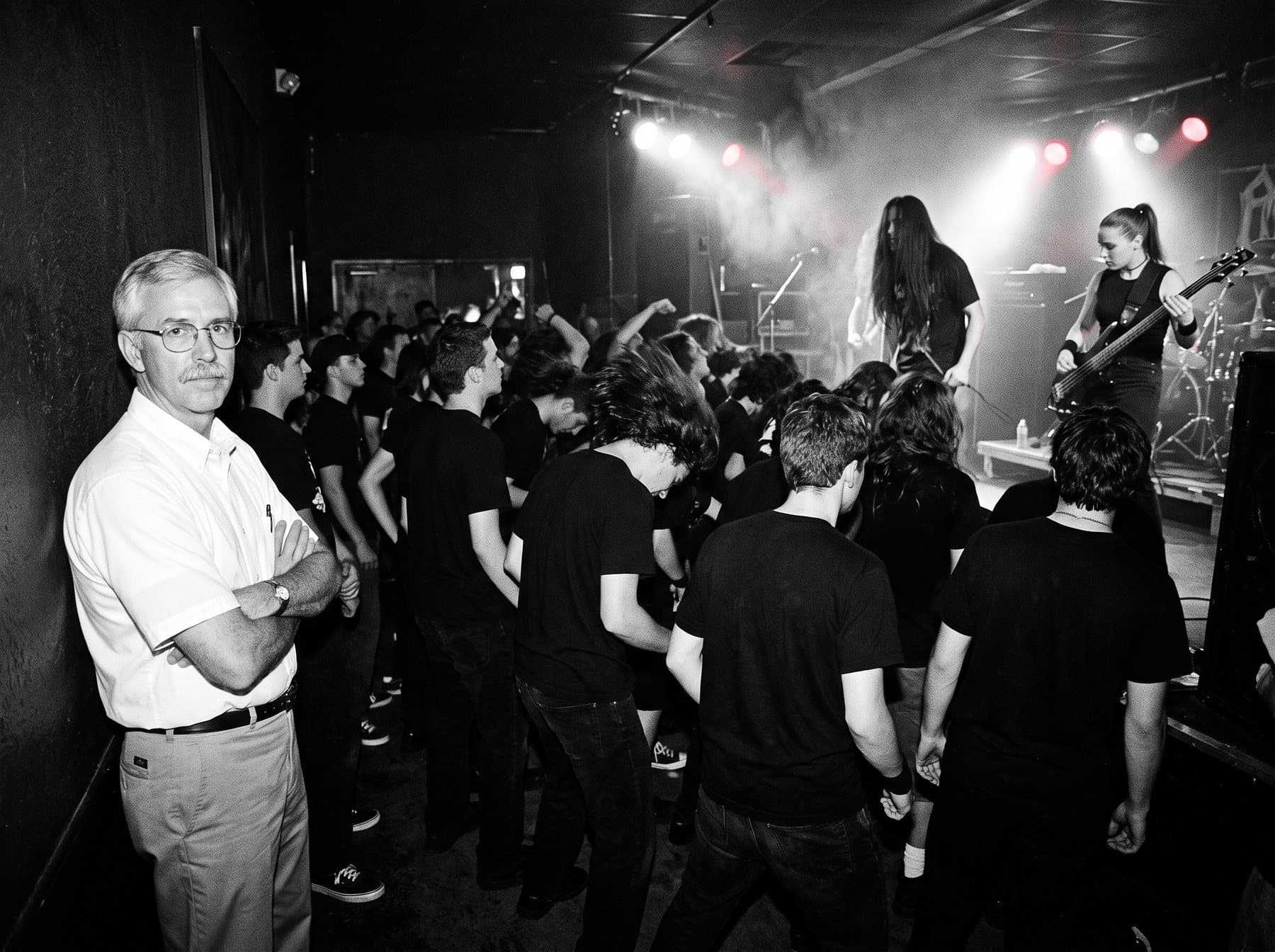
The final track is four minutes of one man describing, in the second person, what he should have done differently, over a riff that never resolves to the root. Pelletier — who taught three of them, who said the sentence, who came to exactly one show and stood at the back with his arms folded — has been asked what he thinks of it. He has said it is accurate. He has declined to say about what.